



Popular Articles
Car Wrapping vs Painting: Which Is More Cost-Effective?
2026.03.22
How to Find the Best Tint Shop Near You in 2026
2026.03.22
Top Trusted PPF Brands and How to Choose the Right One
2026.03.22

About Company
Colorfuul is a global leader in high-end automotive films, offering Color TPU PPF, Transparent PPF, PET Window Films, and Vinyl Wrapping. With exports to over 100 countries, we deliver consistent quality, competitive pricing, and professional service. Beyond production, we provide OEM/ODM customization, shaping the future of automotive aesthetics.
 mary@colorfuul.com
  86 13541196952
 Car Wrapping vs Painting: Which Is More Cost-Effective?
When drivers want to change the look of a vehicle, two common options come up first: car wrapping and traditional painting. At first glance, both can transform a vehicle’s appearance. Both can support personal style, branding goals, or commercial vehicle presentation. But once buyers start comparing real costs, the decision becomes more complex.
The main question is not only which option looks good on day one. The more practical question is which option makes better financial sense over time. That means comparing initial investment, maintenance, repair costs, flexibility, and long-term value. The reference article frames the issue this way as well, arguing that wraps often compare favorably when buyers look beyond the first invoice and consider durability, upkeep, removability, and resale implications.
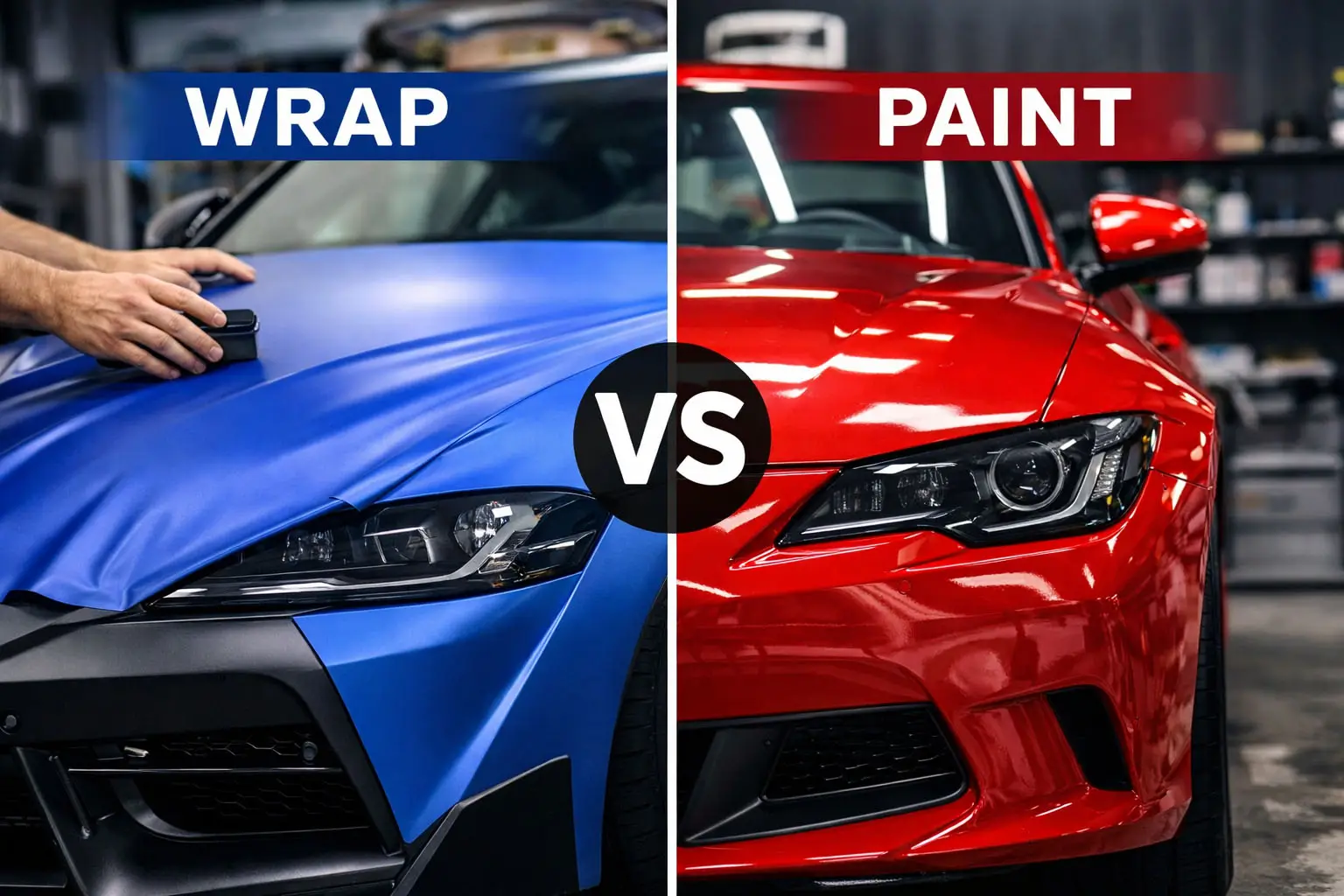
For Colorfuul readers, this topic is especially relevant because today’s automotive film market is no longer focused only on simple color change. Buyers increasingly want solutions that combine appearance, protection, and business flexibility. Colorfuul’s own product lineup reflects that broader direction, with offerings including Vinyl Wrapping, Window Tint, Color TPU PPF, and Transparent PPF, supported by manufacturing, R&D, and customization services.
The Upfront Cost Difference
For many buyers, the first comparison starts with price. In most cases, a professional vehicle wrap is often more affordable upfront than a full high-quality repaint, especially when the project involves complex finishes, color changes, or specialty visual effects. The source article presents this as one of the main reasons many drivers and automotive businesses choose wrapping first. It notes that paint costs rise quickly when labor, preparation, and specialty coatings are involved, while wraps usually stay in a more accessible range depending on vehicle size, design complexity, and film choice.
Painting can become expensive because it requires substantial surface preparation, masking, controlled spraying conditions, curing, and finishing work. If the original finish needs correction before painting, that adds more labor and more cost. High-end paint finishes such as metallic, pearl, or custom multi-layer colors can push the price even higher.
Wrapping still requires professional installation, but the process is often more predictable from a budgeting perspective. That makes it appealing to private car owners, fleets, and brands that want visual change without committing to the higher cost of paint.
Long-Term Value Is More Than the Purchase Price
Initial price matters, but it is only part of the total cost. Long-term value depends on how well the finish holds up and how expensive it is to maintain.
The reference article argues that quality vinyl wraps can last for years with proper aftercare, making them cost-effective over time. It contrasts this with paint, which can fade, chip, and show wear that affects appearance and sometimes resale appeal.
This does not mean paint has no value. A well-executed paint job can look excellent and remain attractive for years. But from a practical ownership perspective, wraps often have an advantage because they function as a changeable outer layer rather than a permanent surface treatment. That difference matters when the vehicle is used frequently, exposed to sun, or expected to maintain a clean visual standard for business or resale.
Flexibility and Design Freedom
One of the strongest commercial arguments for wrapping is flexibility. The source article highlights wraps as offering a much wider range of finishes, including matte, gloss, satin, chrome, carbon-style looks, brushed effects, color-shift options, and digitally printed graphics. It presents paint as less flexible for intricate visual changes, with custom finishes and design complexity driving labor costs much higher.
This is important because many buyers no longer want a permanent color decision. They may want to refresh a vehicle for branding, adjust style trends, test a new visual identity, or create a seasonal campaign. Wraps support that kind of change far more easily than paint.
For companies, the value is even clearer. A wrapped fleet can become a mobile branding tool. A promotional campaign can be launched and later removed. A distributor can offer customers broader style options without the permanence of repainting. That kind of flexibility creates real cost advantages in business use.
Maintenance and Everyday Protection
A wrap is not only about appearance. The reference article also emphasizes its role as a protective outer layer. It describes wraps as helping guard against scratches, stone chips, and UV exposure while reducing the need for more intensive paint correction work. Paint, by comparison, is described as requiring regular washing, waxing, polishing, and more expensive correction if damage occurs.
This distinction matters in daily use. With paint, scratches and chips affect the finished surface directly. With a wrap, the original paint remains underneath the film. That does not make the wrap indestructible, but it does create a sacrificial layer that can help preserve the factory finish.
For many car owners, that preservation is part of the financial logic. The goal is not just to make the car look different. It is to avoid more expensive cosmetic deterioration over time.
Repairs Are Usually Easier with Wraps
Repair cost is one of the most overlooked parts of this comparison. A painted surface often requires color matching, blending, repainting of panels, and additional finishing work when damage occurs. The source article describes paint repair as more labor-intensive and more dependent on expert matching skills, while wraps can often be repaired by replacing only the damaged panel section.
That difference can significantly change ownership cost. A small area of damage on a wrapped car may not require redoing the entire vehicle. A single panel may be replaced faster and with less disruption. That is especially useful for commercial fleets, frequently driven vehicles, and customers who want faster cosmetic recovery.
Reversibility Creates Financial Flexibility
Paint is a permanent transformation. Once it is done, reversing the change is expensive and impractical. Wraps, however, are generally removable. The source article presents removability as a major advantage, especially for leased vehicles, resale preparation, temporary campaigns, and owners who want visual change without permanent commitment.
This has clear cost implications. A buyer who wants to return the vehicle to a more original appearance before sale can remove the wrap. A business that uses wraps for advertising can update graphics without replacing the vehicle. A car enthusiast can explore a new look without permanently changing the paint.
That reversibility is not just a style benefit. It is a financial benefit because it keeps future options open.
Environmental Considerations
The reference article also argues that wraps may be a cleaner option from an environmental perspective, noting that paint processes can involve VOC-emitting materials, stripping waste, and energy-intensive spray booth operations. It presents wraps as a lower-impact alternative in many cases.
This factor may not be the first thing every buyer considers, but it is becoming more relevant as automotive businesses pay more attention to cleaner production logic and more responsible material decisions.
Resale Value and Original Paint Preservation
Resale value is another area where wrapping can make sense financially. The source article notes that wraps can help preserve factory paint and can be removed before sale, allowing the vehicle to return closer to OEM appearance. It contrasts this with paint, where unusual colors, visible chips, or cosmetic wear may reduce appeal to future buyers.
This does not guarantee a higher resale price in every case, but it does support a useful principle: preserving original paint usually keeps more options open. Buyers in the used market often feel more comfortable with factory finishes than with heavily modified permanent paint changes.
Where Colorfuul Fits in This Decision
For Colorfuul, this discussion is not just theoretical. The company positions itself as a manufacturer of automotive film solutions, with products that include Vinyl Wrapping, Window Tint, Color TPU PPF, and Transparent PPF, along with OEM and customization support. Its About page also highlights integrated R&D, production, sales, and service, plus supply to more than 100 countries and a monthly production capacity of 100,000 rolls.
That matters because the wrapping-versus-painting decision is increasingly connected to supplier capability. Buyers are not only comparing appearance outcomes. They are also comparing material consistency, product range, technical support, and long-term sourcing reliability. A manufacturer with broader film expertise can often support customers more effectively across styling, protection, and branding applications.
Final Thoughts
So, which is more cost-effective: car wrapping or painting?
For many buyers, car wrapping is the more cost-effective choice, especially when the comparison includes not only upfront spending but also design flexibility, easier repairs, removability, surface protection, and resale preparation. That overall conclusion matches the direction of the source article, which argues that wraps often deliver stronger value for less money when compared across the full ownership cycle.
Painting still has its place. Some owners prefer the permanence and traditional finish of paint. But for customers who want a more flexible, lower-risk, and often more budget-conscious path to vehicle transformation, wrapping is usually the smarter option.
For a modern automotive film brand like Colorfuul, this shift reflects a larger market trend: drivers and businesses increasingly want solutions that combine aesthetics, protection, and practical value in one system


